
By Nathaniel Richards
Notes from The Didache
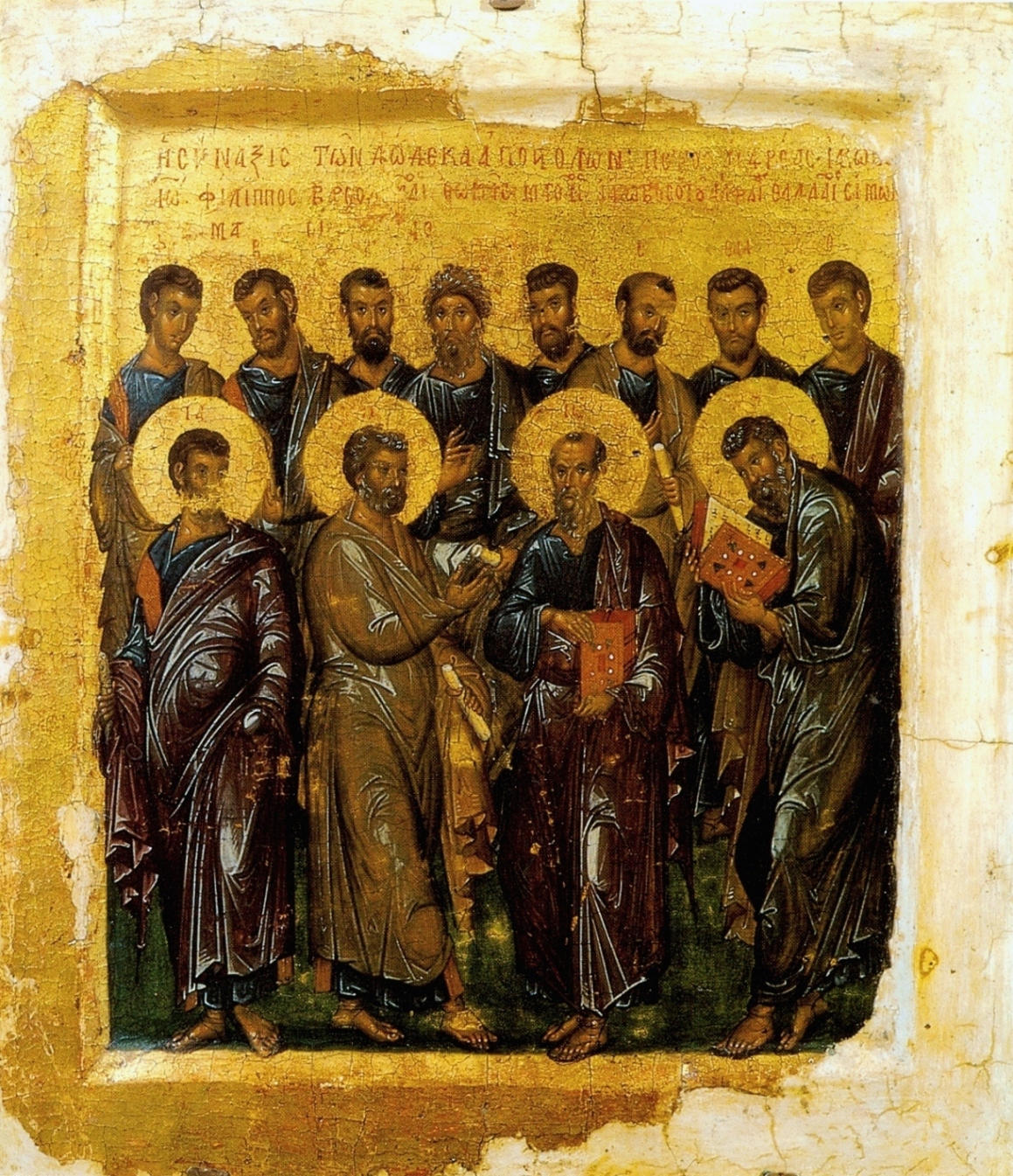
There is a short document from the first century which was a liturgical manual of sorts called The Didache, or The Teaching of the Twelve (Apostles, that is). I refer to it because I believe it is a handy primer/quick reference to what the earliest of Christians were doing and expected to do concerning fasting and penance. I would also like to think it helpful to us Western Christians in the twenty-first century in our attempt to get back to basics. I highly recommend you read the document for yourself.
Firstly, echoing our Lord who says, Love your enemies: do good to them that hate you: and pray for them that persecute and calumniate you (Mt. v. 44), the Didache admonishes Christians in this manner:
Bless those who curse you, and pray for your enemies, and fast for those who persecute you. For what reward is there, if you love those who love you? Do not also the Gentiles do the same? But love those who hate you, and you shall not have an enemy.
Fasting is not just ‘self-help’ for our spiritual lives, because it benefits others as well. It not only provices an avenue of expiating our own sins, but it is a way of making reparation for the sins of others. We need to fast for the conversion of our loved ones and for the sins of society, as well for those who are our enemies and wish us harm. If we do, who knows what might happen? The Lord might work a miracle in restoring or bringing someone to the Faith on account of the prayer that was our fasting. Therefore, we ought to fast for others—especially our enemies.
Secondly, the Didache has such a high view of the Sacrament of Baptism that it says “before the baptism” that the baptizer should “fast, and the baptized, and whatever others can; but you shall order the baptized to fast one or two days before.” It takes into account that in the saving laver of Baptism a supernatural mystery is unfolded, and that this grace-filled event deserves commensurate fasting from all involved.
I wonder what adopting this behavior as a norm would do to edify the Faith in our time. Indeed, while we Catholics still defend and have on the books that Baptism is an efficacious Sacrament, in many ways we have fallen into the errors of some of believing that Baptism is a mere symbol or public profession of Faith and no more. Baptism is for all and should be given to the littlest ones such as infants, but does it not usher us into the very fray of the battle that is spiritual warfare? It should not be regulated to a mere Rite of Passage or welcoming a child into a community. Baptism plunges us into Death, and we rise to New Life (Rom. vi. 4.). It is a work of Christ Himself and not something we do of our own. It is a circumcision of the heart that sets us apart from the world and makes us belong to Christ (Rom. ii. 29; Col. ii. 11-15). We ought to always prepare for Jesus the Bridegroom, and fasting before Holy Baptism is a way of doing exactly that. If we fast as Catholics at least one hour before Holy Communion (though it used to be much longer before the twentieth century), why not admonish our priests and converts to do so in an intentional way a few days before the Easter Vigil?
Finally, this is the main passage of what the Didache has to say about fasting:
But let not your fasts be with the hypocrites; for they fast on the second and fifth day of the week; but fast on the fourth day and the Preparation (Friday). Neither pray as the hypocrites; but as the Lord commanded in His Gospel, thus pray: Our Father who art in heaven, hallowed be Your name. Your kingdom come. Your will be done, as in heaven, so on earth. Give us today our daily (needful) bread, and forgive us our debt as we also forgive our debtors. And bring us not into temptation, but deliver us from the evil one (or, evil); for Yours is the power and the glory forever. Thrice in the day thus pray.
Notice that the fasting recommended is habitual. An Apostolic norm of fasting is by practicing your fast on Wednesdays and Fridays. That is exactly what the Didache recommends. Furthermore, the virtue of Humility is present insomuch that the document tells us not to pray as hypocrites do…or mere things of our own invention, but the Our Father—the Lord’s Prayer. If we base our way of praying on Christ and align ourselves to Him in this way, I daresay we will make progress. For it is not on our own merit and devices alone that we will find victory, but in trusting in Jesus Christ Himself and what He has given us through His Bride—the Church.
Read the Didache and then read it again. It will help you in many more ways besides fasting.
—
 Nathaniel Richards is a Catholic husband and father who lives in the Ozarks. He enjoys collecting Catholic books and promises that one day he will read most of them—eventually, maybe. Starting a Catholic bookstore that sells books rather than gifts is a dream of his. He converted from Oneness Pentecostalism to Anglicanism and eventually made his way to Catholicism in 2015.